
Academics
ICSE and ISC, taught with care
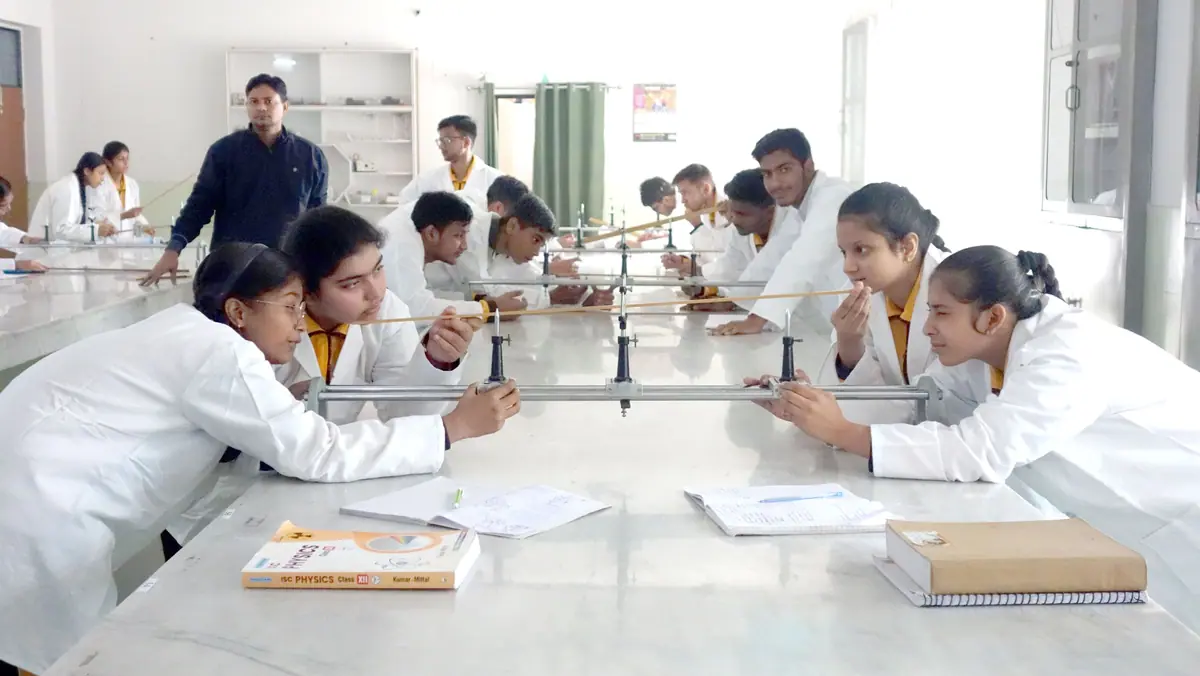
The journey
One school, Nursery to Class XII
Nursery · LKG · UKG
Early Years
Foundational
A gentle, joyful start where curiosity, language and good habits take root.
- Play-rich learning in a warm, safe setting
- Early literacy and numeracy in English
- Holiday homework and activities for every class
Class I – Class X
ICSE
Indian Certificate of Secondary Education
A broad, rigorous curriculum culminating in the ICSE board examination at the end of Class X.
- English-medium instruction across all subjects
- Science laboratories for Physics, Chemistry and Biology
- Computer education guided by professionals
- 15 ICSE batches passed out with meritorious results by the Silver Jubilee
Class XI – Class XII
ISC
Indian School Certificate
Senior secondary study that prepares students for university, the professions and life.
- Science subjects with Mathematics or Biology
- Computer Science and Physical Education options
- Career counselling seminars
- Alumni include IITians and doctors serving in India and abroad
ISC subject options, Class XI
Compulsory
Subjects
Admission to Class XI
Selection is based on:
- Available classroom and laboratory capacity
- Overall performance in the ICSE examination
- Character, conduct and behaviour in Classes VIII, IX and X, as assessed by the school
Students who appear for the ICSE examination must apply afresh for Class XI. Students whose presence may prove detrimental to school discipline will not be re-admitted for the ISC course, irrespective of academic results.
How we teach
Rigour with a human face

Holistic, NEP-aligned
We have embraced the key principles of the National Education Policy to offer a holistic, future-ready education.
Digitally enabled
Access to online resources and interactive learning platforms prepares students for a digital age.
Parents as partners
Regular interactions and workshops help parents understand and support their child’s learning at home.
Teachers who keep learning
Professional development and in-service programmes keep our teaching methods fresh and improving.
Character, health & careers
Seminars on character building, health and hygiene, and career counselling are held through the year.
A safe, orderly campus
Clear discipline policies and safety measures create a calm atmosphere where learning comes first.
Beyond the classroom
A well-rounded personality


Sports
Football, basketball, kabaddi, kho-kho, cricket and athletics build fitness, teamwork and fair play. CJCians compete at regional and national level.
Arts
Music, drama, dance and the visual arts nurture creativity, self-expression and a love of culture.
Clubs & societies
Science, debate and environment clubs encourage enquiry, critical thinking and specialised interests.
Competitions
Olympiads, spelling bees, science fairs, speech, essay and debate competitions sharpen skills.
Exhibitions
Students showcase creative, innovative projects and grow in confidence as presenters.
Picnics & study tours
Educational outings bring curiosity, wonder and experiential learning beyond the classroom.
Community service
Visits to old-age homes, orphanages, jails, government hospitals and a leprosy colony teach empathy and citizenship.
Celebrations
Independence Day, Republic Day, Diwali, Christmas, Teachers’ Day, Labour Day and Children’s Day bring the community together.
Results archive
Board toppers, year by year
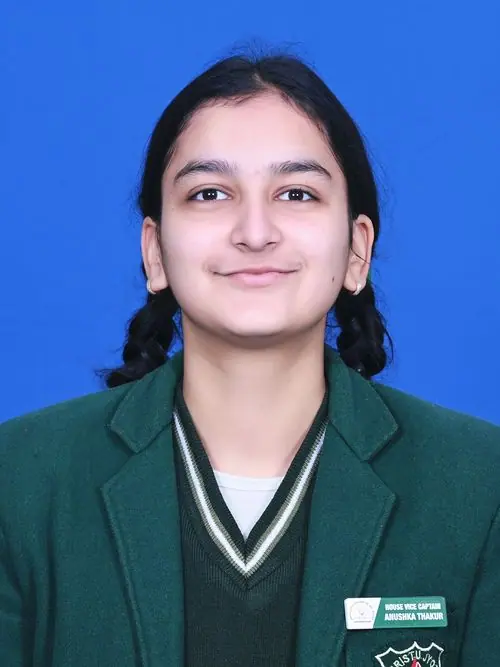
96.6%
Anushka Thakur

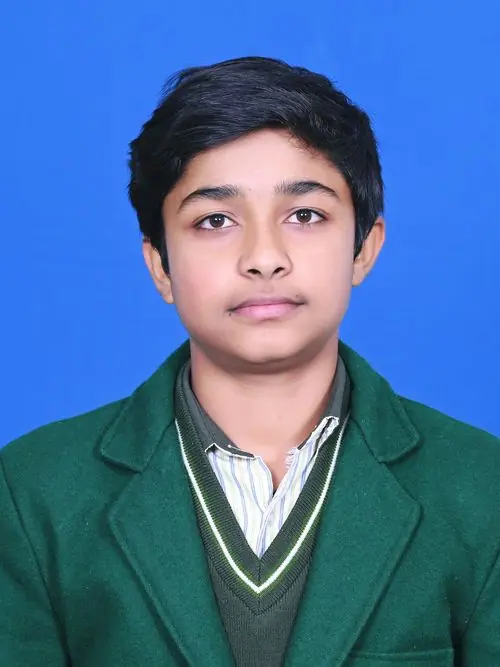
95.4%
Subhvan Singh

94%
Parv Bansal












Parent handbook
Rules, rhythms and expectations
The code of discipline
- Be honest and truthful.
- Respect all elders and be kind to all.
- Love work, and be ready for any kind of work.
- Be punctual and diligent.
- Be clean in thoughts, words and deeds.
- Be just.
- Be cheerful.
- Do to others what you wish others to do to you.
School uniform
The school uniform is compulsory. It builds a sense of belonging, unity and, above all, equality among students. Students who do not come in uniform may be sent home at the parents’ risk.
Girls · Nursery – UKG
Girls · Classes I – V
Girls · Classes VI – XII
Boys · Nursery – UKG
Boys · Classes I – V
Boys · Classes VI – XII
Fees
Fees are payable by the 15th of the first month of each quarter. A late fine of ₹20 applies up to the 15th of the following month, and all dues must be cleared before examinations begin. Each year about ten percent of our students, those who are financially weak and eligible, receive a fee concession.